
LATEST ARTICLES
What Is the Brightest LED Filament Bulb?
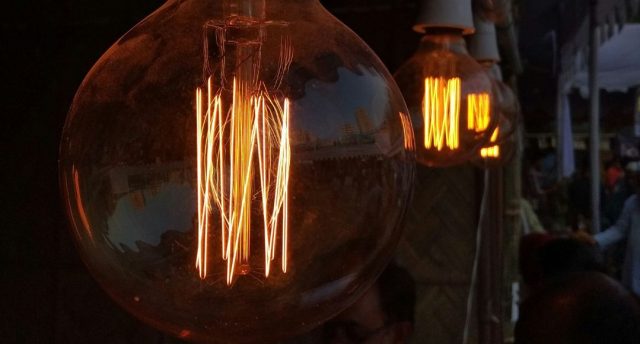
If you love the warm glow of a traditional incandescent but don't want the cost that comes with it, LED filament bulbs are the perfect “fittings” for you! LED filament bulbs are modern LEDs arranged to look like old-school filament lamps. They give that warm, vintage look people love in exposed fittings, cafes, and homes. But many buyers worry: What...
What Is the Brightest Smart Bulb?
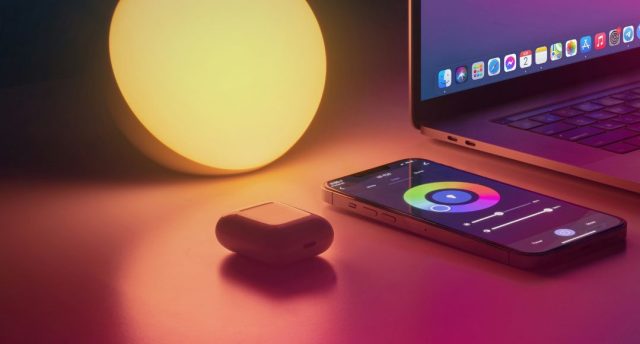
So you got a smart LED light bulb and all the perks that come with smart lighting: built-in connectivity, a wide range of control, and flexible light adjustment options. And yet you ask the same question others before you have asked: “Why is my smart bulb not bright enough?” In most cases, the issue is not the technology. The true...
What Is the Brightest E14 LED Bulb?
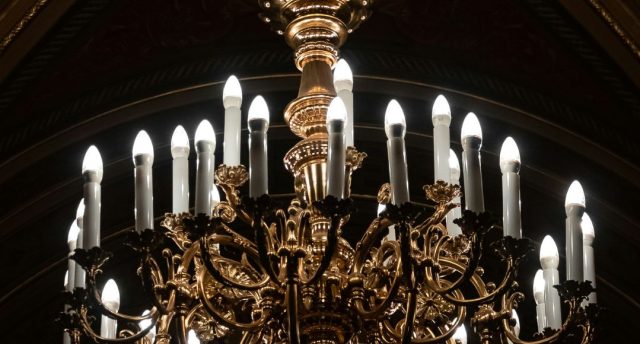
When it comes to compact light fittings, the E14 LED bulb is a small but mighty performer. Commonly used in table lamps, wall lights, chandeliers, decorative fittings, and accent luminaires, this screw-base bulb fits neatly where your standard E27 bulbs simply cannot. But not all E14 LED bulbs are made the same. Depending on your needs, you’ll want a brighter or...
What is the Brightest A-Rated LED Bulb?
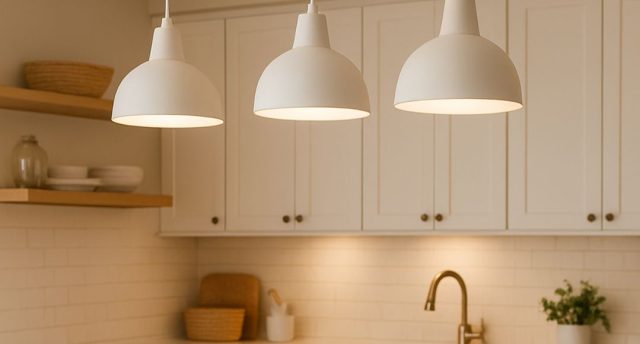
If you grew up with the familiar A+, A++ and A+++ lighting labels, then you might have noticed in your recent purchases something different on the packaging of your LED bulbs. In their place, you now see a simple A to G scale. This change has left many people wondering: What does A-rated actually mean now? Are all A-rated lights...
Factory Floor Lighting: Meeting Health & Safety Regulations in 2026
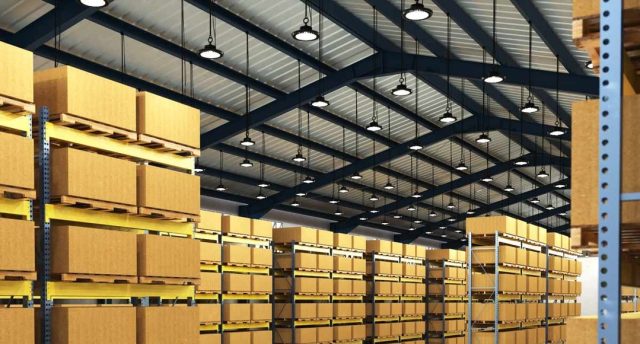
Factory lighting is no longer a background detail. It’s a recognised safety control. What workers can see directly affects accident risk, employer responsibility, and inspection outcomes. Inspectors now go beyond checking whether lights are installed. They’ll also assess whether lighting actively supports safe work. Dark zones, glare, uneven coverage, or declining output signal unmanaged risk, particularly around machinery, walkways, and assembly...
Retrofit vs. New Installation: Upgrading Warehouse Lighting Systems
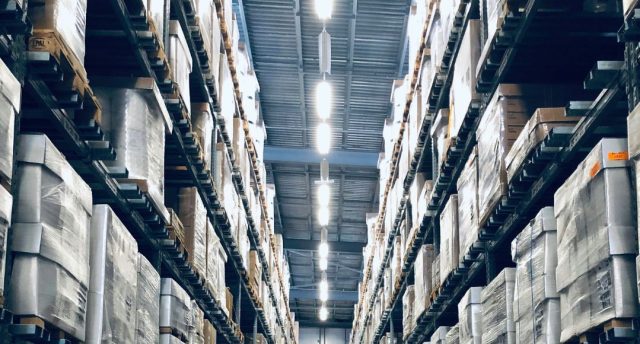
Upgrading warehouse lighting is rarely about the technology; it’s mainly about avoiding regret. The kind that creeps in three to six months later. Because once the fittings, especially LED high bay warehouse lights, are mounted at six metres (at least), replacing them again is a costly job. Lights shape running costs, safety, and productivity in warehouses. That’s why upgrading to...
ATEX Zone Lighting: Hazardous Area Classification & LED Solutions
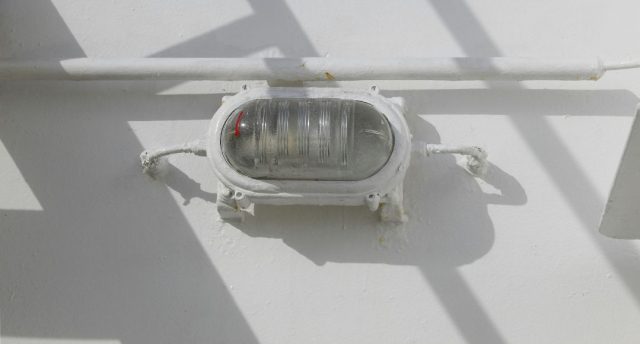
Keeping hazardous environments safe is no joke. It’s hundreds of small, correct decisions made every day that keep a facility safe. Lighting is one of those choices that often goes unnoticed. Lighting switches on, provides illumination, and keeps work going. But in ATEX zones, lighting can also be the silent trigger that turns a controlled risk into a serious incident. In...
Industrial LED Lifespan & Maintenance: Reducing Downtime Costs
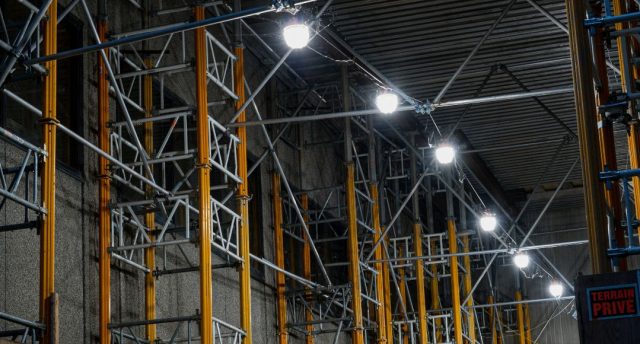
What’s the one thing that’s easy to overlook in industrial environments? If lighting didn’t come to mind, then that’s the whole point. Lighting IS easy to overlook. It sits above your head, quietly doing its job… until it doesn’t. And that’s when you realise that lights are important, and when they fail in a factory, warehouse, or distribution centre, the...
Cold Storage & Freezer LED Lighting: Low Temperature Performance Guide
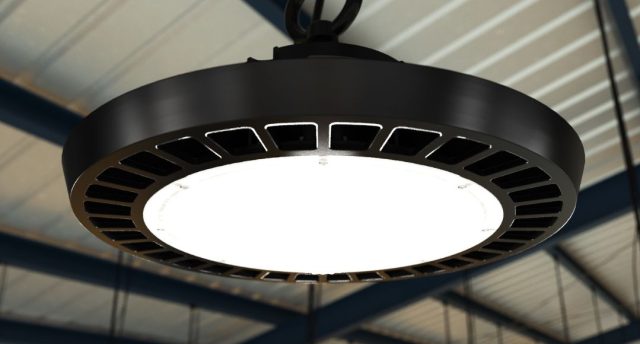
If you’re reading this, then you know that cold storage facilities are unforgiving places. Temperatures plunge below zero, doors open and close, and various operations (such as sorting, grading, and packing) are carried out throughout the day. And through all of this, lights are expected to be on, often 24 hours every day. In these environments, lighting is not just...
Motion Sensors for Industrial Spaces: Energy Savings in Large Facilities
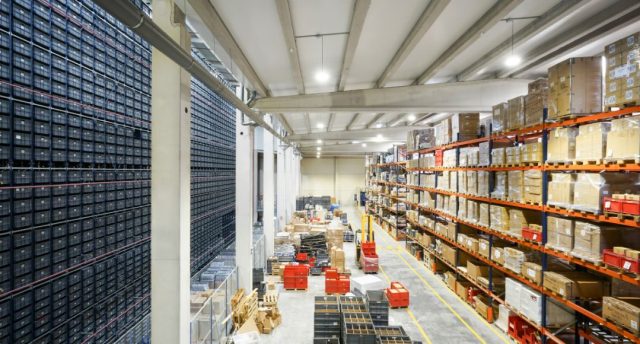
Did you know that lighting is often one of the biggest energy consumers in large industrial buildings? That’s right. General commercial/industrial mixed-use buildings record energy consumption of 18-30%, while warehouses record a whopping 65-95%. The problem may lie in how lights are used, not in how many are installed. Warehouses, factories, and logistics hubs… many of these spaces are still lit...