

Smart homes have since moved from being futuristic concepts and gadget-lovers’ (with a budget) side hobby to a standard need in modern homes. By 2026, homes will literally learn habits, respond to moods, and optimise energy use without manual input.
At the centre of this transformation is an element we use every day, often without giving it a thought: lighting.
Smart lighting has evolved far beyond turning bulbs on and off with an app (which many people still don’t fully utilise). Now it shapes how homes feel, how energy is managed, and how seamlessly different technologies work together.
In this guide, we’ll explore the smart home trends defining 2026 and why lighting continues to play a starring role in this connected future. And if you’re still on the fence about getting smart lighting for your home, this should push you over the edge.
The Evolution of Smart Homes – A Look Ahead to 2026
Smart homes are no longer a luxury. What once required specialist installers and complex setups is now accessible to everyday households as more homeowners are embracing connected living.
By 2026, smart homes will be more about systems working in harmony. Think about it: lighting “talks” with your heating, cameras and doorbells work together, and entertainment lights sync with game or music.
User expectations are also shifting. People want technology that feels intuitive, responsive, and almost invisible; the less manual input there is, the better.
Why Lighting Plays a Central Role
The easiest upgrade towards having a smart home? Installing smart lights.
Why? It is instantly noticeable, relatively easy to install, and delivers both functional and emotional benefits:
- Improves energy efficiency.
- Enhances ambience by adapting brightness and colour to different times of day.
- Responds to schedules, sensors, and voice commands.
- Bolsters security by illuminating paths, deterring intruders, and signalling activity around the home.
Let’s look at some examples of smart lighting:
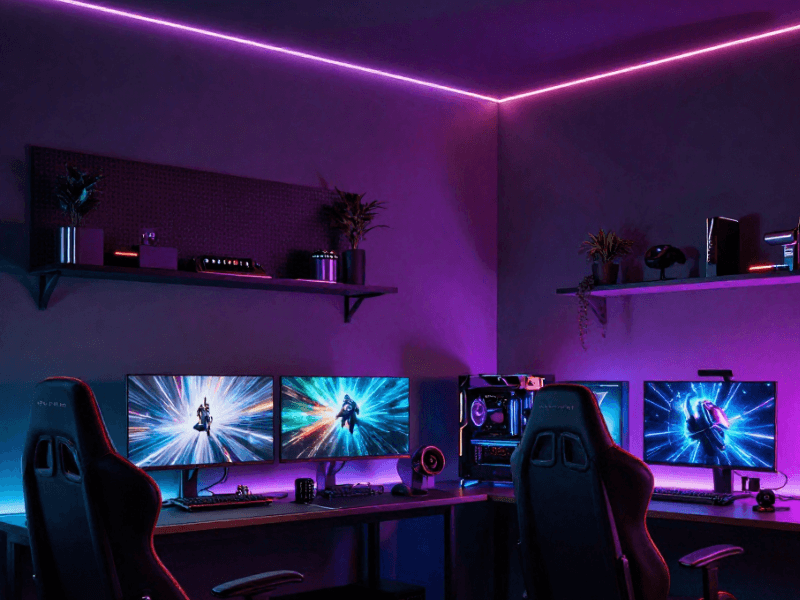
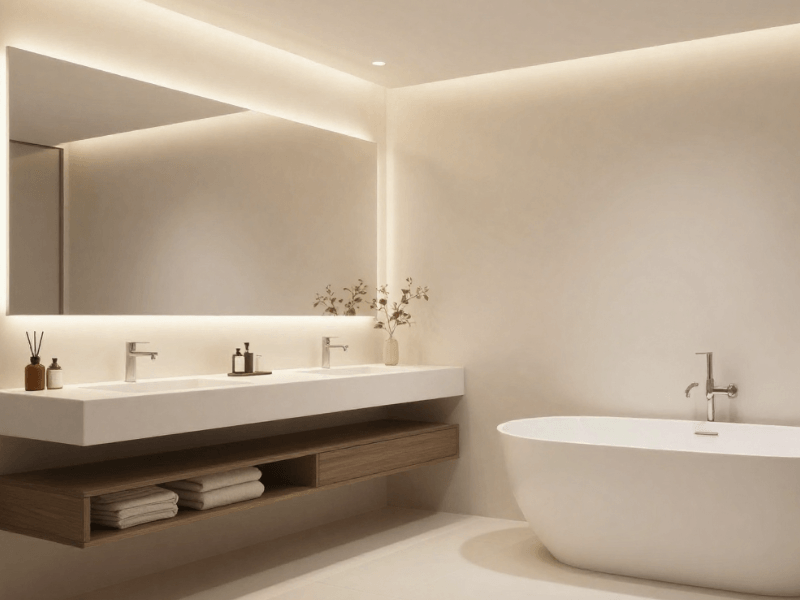
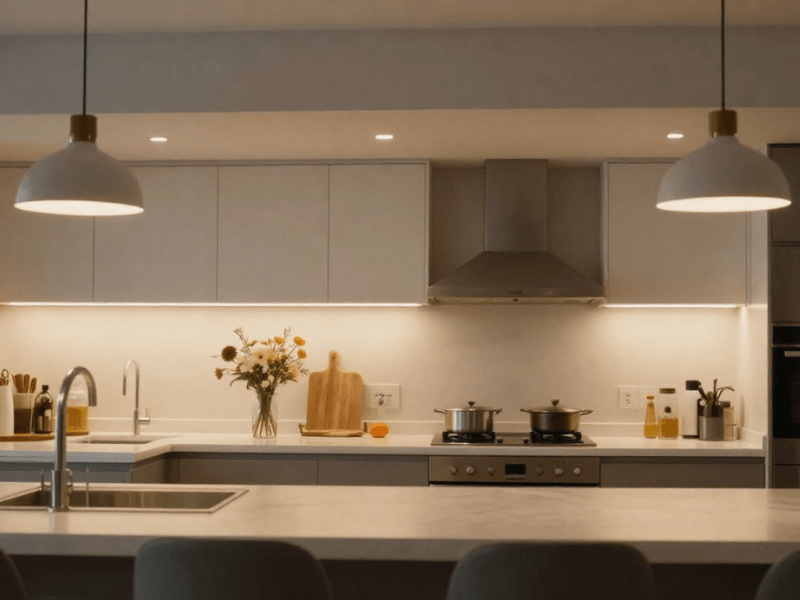
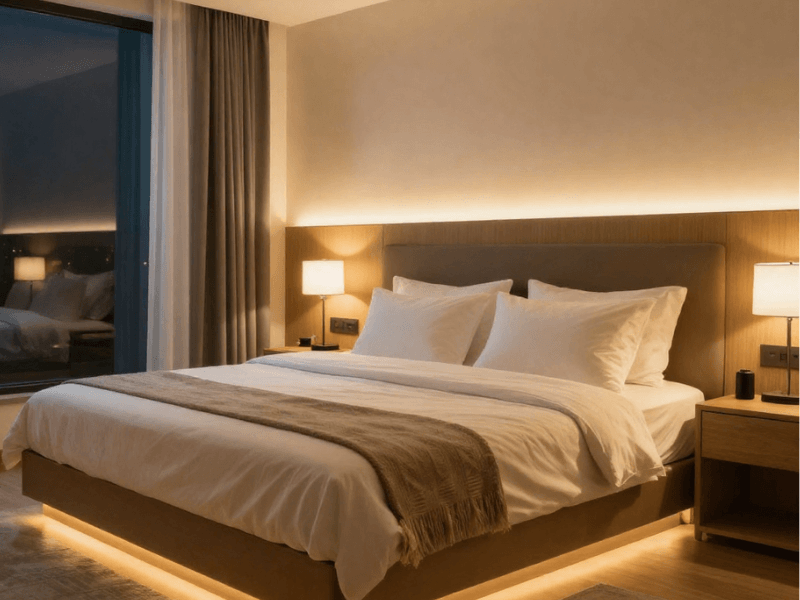
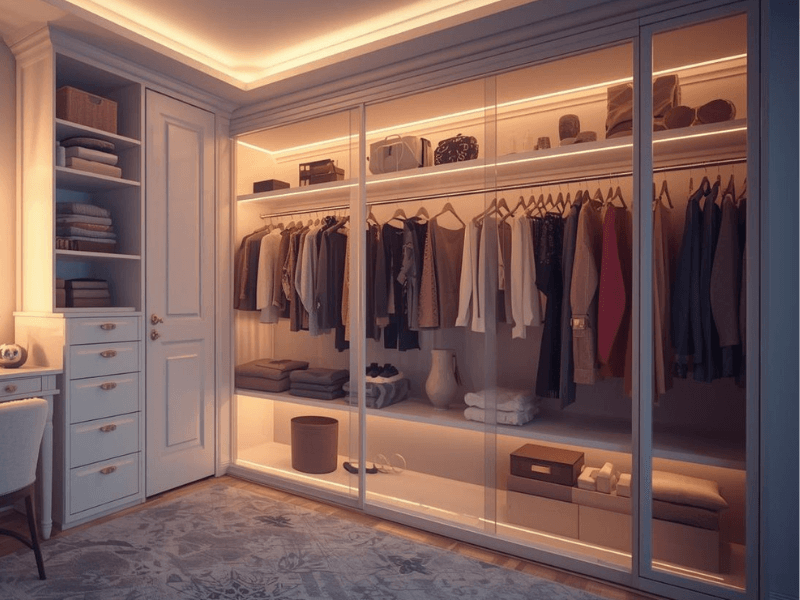
- LED strip lights create immersive accents along media walls, under cabinets, or around ceilings.
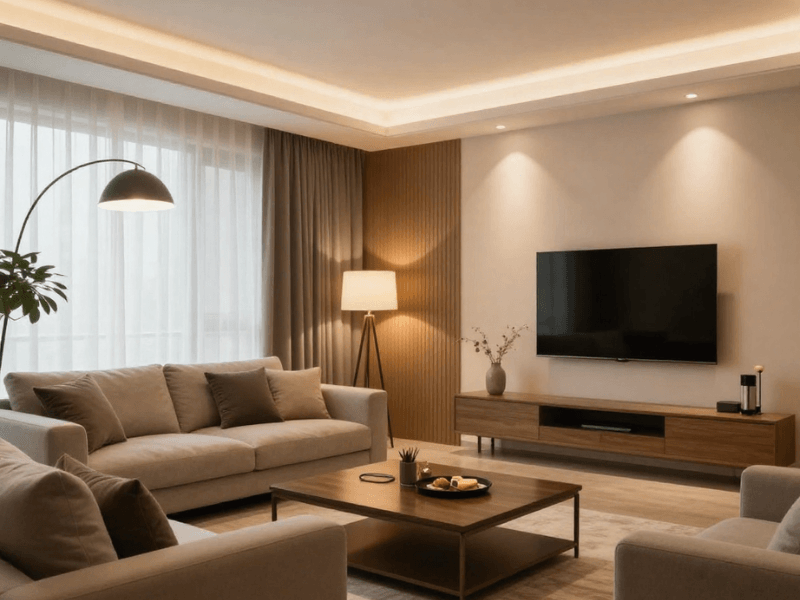
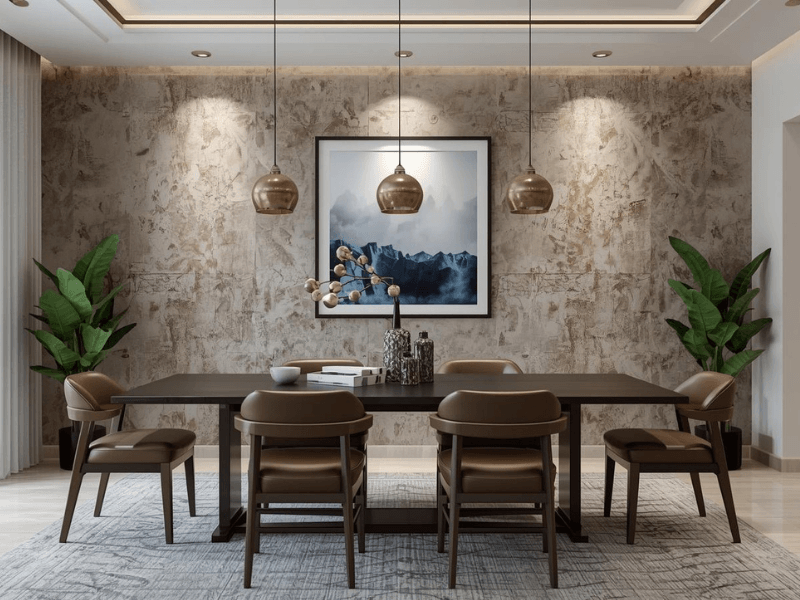
- Smart downlights offer precise control for task and ambient lighting.
- RGB and CCT lights enable homes to easily switch between energising cool whites, cosy warm tones, and vibrant colours.
Lighting is no longer static. It is expressive, responsive, and deeply integrated into smart homes.
Trend #1 – Full Home Automation and Centralised Control
What if, instead of having different controllers for devices, there were a single interface to manage lighting, heating, security, and entertainment?
Enter: voice assistants such as Alexa, Google Home, and Apple HomeKit, which act as conversational control centres, turning spoken commands into coordinated actions.
“Alexa, movie mode.”
Automation routines are becoming more sophisticated. Morning routines gently brighten bedroom lights, warm up the living space, and cue a favourite playlist. Evening routines dim lights, adjust colour temperature to warmer tones, and activate security systems, all with minimal input.
Lighting Examples in Automation
The one thing your lighting does best is set the tone and mood for the space.
Scene-based lighting allows living rooms and bedrooms to shift effortlessly between modes such as daytime brightness, evening relaxation, or movie night.
Automated dimming and colour temperature adjustments respond to time of day or activity. Light is cool and bright during focused work, and then shifts to warm for evening relaxation.
Lighting also synchronises beautifully with entertainment. Media walls fitted with RGB LED strips and your TV working together transform living rooms into immersive environments.
Trend #2 – Energy Efficiency and Sustainability
You don’t get smart lighting just for the aesthetics. Energy efficiency is the name of the game for smart lighting in 2026, when people are expected to have stronger sustainability goals.
Standard LED lights already use significantly less energy than traditional lights. Smart controls and automation take this efficiency further, ensuring lights are on only when needed.
- Occupancy or motion sensors automatically turn off lights in empty rooms.
- Daylight sensors adjust brightness based on natural light levels, avoiding unnecessary energy use.
Homes are also beginning to integrate renewable energy sources. Smart lighting systems can align usage with solar generation or off-peak energy periods, making homes more responsive to how and when energy is produced.
Practical Home Applications
In practical terms, this means lighting that adapts to purpose.
1. Dimmable, tunable white LEDs enable kitchens to transition from bright task lighting during cooking to softer ambient lighting during meals.
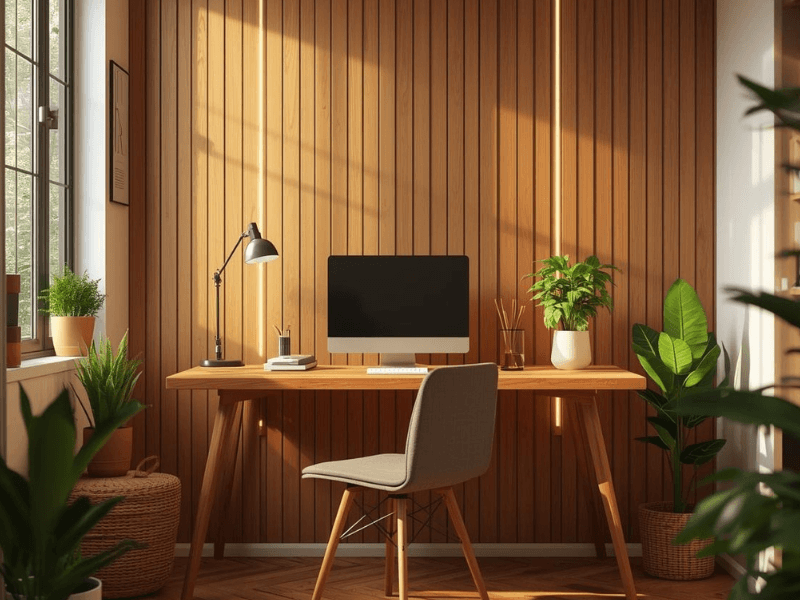
In bedrooms, bright white light helps with wake-up routines, while warm light promotes rest. Home offices also enjoy these benefits, switching between bright task lights for focused work and a soft, warm glow for end-of-day wind-down.
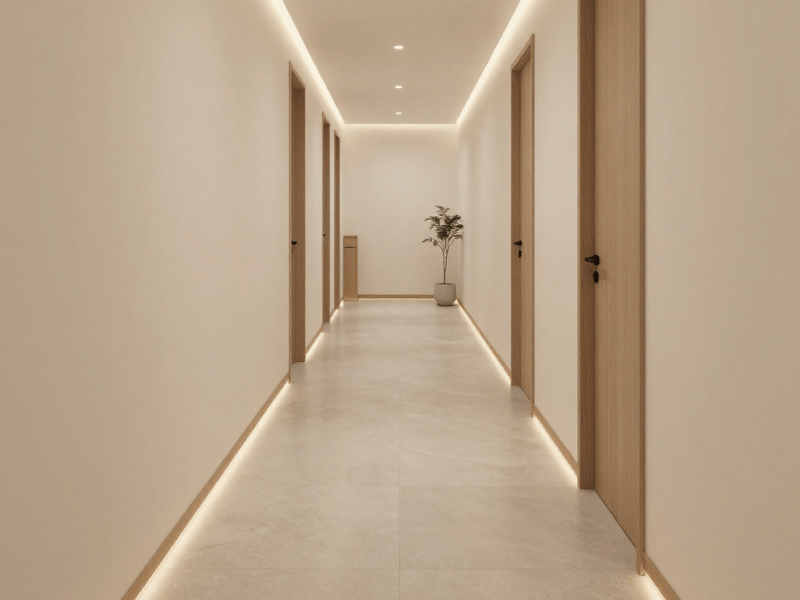
2. Motion-activated lighting in hallways, staircases, and storage areas ensures safety while eliminating wasted energy. Lights come on only when movement is detected and switch off automatically.
Many smart lighting apps now provide energy usage insights, helping homeowners understand consumption patterns. This visibility encourages smarter habits and reinforces the value of investing in efficient LED solutions.

Trend #3 – Personalisation and Mood-Driven Lighting
Lighting is no longer just about brightness, illumination, and visibility. Homes are becoming more expressive, adapting to individual preferences, lifestyles, and emotional needs. Smart lighting is at the heart of this trend.
RGB and CCT lighting allow homeowners to tailor spaces for different activities, from calm evenings to energetic workouts. Lighting can now mimic natural daylight patterns, supporting circadian rhythms.
Dynamic lighting also enhances entertainment and creativity. Whether hosting a dinner party, watching a film, or focusing on a project, lighting adjusts to match the moment.
Examples of Mood-Based Lighting
Media wall backlighting (or biased lighting) using RGB strip lights synced with the TV adds depth and immersion to the viewing experience. Subtle colour changes can enhance the atmosphere without distracting from the screen. Backlighting your TV is also good for your eyes, so it’s a double win.
Relaxation modes use warm, dimmed tones to create a calm ambience at the end of the day. Bedrooms and living areas become spaces for unwinding rather than overstimulation.
For productivity, cool white light in home offices helps maintain focus and alertness. Smart systems can automatically switch to warmer tones in the evening, supporting better sleep patterns. Tunable LED strips are a great choice for an easy switch between cool and warm tones.
Trend #4 – Integration with IoT and Security Systems
Security is becoming smarter, more proactive, and more integrated. Lighting plays a key role in this innovation, working alongside sensors, cameras, and alarms to serve as both a visual signal and a functional security tool.
Smart lights can respond to motion detectors, illuminating outdoor areas when movement is detected. This not only improves visibility but also acts as a deterrent against intruders.
Integration with smart doorbells allows porch lights to activate or flash when someone arrives or when a delivery is detected. App-based notifications keep homeowners informed, even when they are away.
Smart Lighting Use Cases for Safety
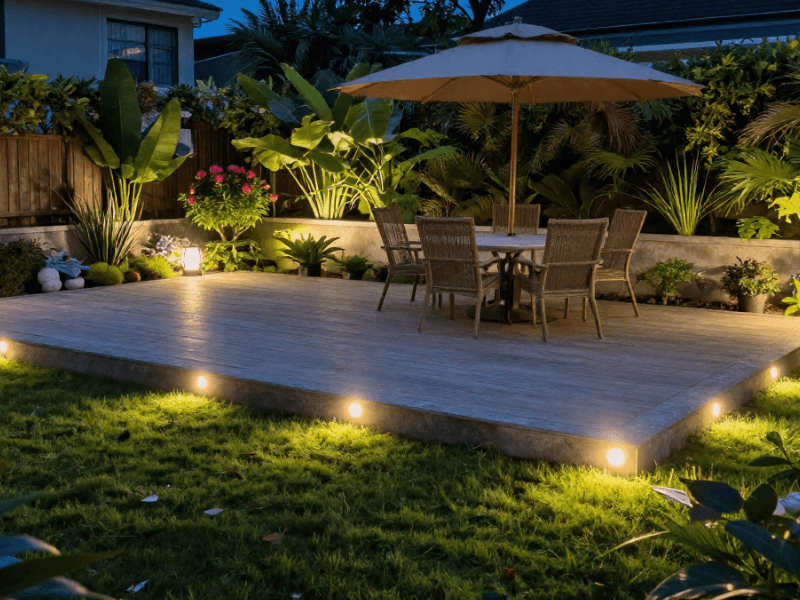
1. Automated outdoor lighting ensures safe arrivals after dark, guiding residents along pathways and driveways. Timed or sensor-based activation prevents lights from being left on unnecessarily.
2. Simulated presence is another powerful feature. When homeowners are away on holiday, smart lighting can mimic normal activity patterns, making the house appear occupied.
Unlike traditional security lighting that must remain on all night, smart LED lights only turn on when needed, combining low energy consumption with security.
Trend #5 – App-First and Voice-First Control
No one uses manual light switches anymore… or at least there will be more people who will switch to app-first and voice-first control in 2026. With more user-friendly apps, this feature is no longer just for tech-savvy users but also for beginners.
- Clear interfaces make it easy to adjust brightness, colour, and schedules without technical knowledge.
- Voice commands offer hands-free convenience, perfect for busy households.
- Cross-device compatibility ensures different brands and systems work together smoothly.
- Lighting integrates with other smart devices rather than existing in isolation.
Benefits of Smart Lighting Apps
1. Apps allow for highly customisable schedules and automations. Homeowners can fine-tune how lighting behaves throughout the day to adapt to work patterns, family routines, or seasonal changes.
2. Remote control provides peace of mind. Lights can be checked, adjusted, or turned off from anywhere, reducing energy waste (yours and electricity) and enhancing security.
3. Real-time monitoring and energy tracking help users understand their usage and identify opportunities for savings. Lighting becomes not just a feature but a tool for smarter living.
How to Future-Proof Your Home with Smart Lighting
Here’s a common misconception that you may also have: you need a complete renovation to future-proof your home. Nope. Smart lighting offers a flexible, scalable way to prepare for evolving technology.
☑️ Choosing LED strips, downlights, and RGB or CCT solutions that support common smart protocols ensures compatibility with future systems.
✅ Prioritising products that work with multiple hubs and voice assistants also reduces the risk of obsolescence.
☑️ Incremental upgrade is also the key. Start small, then learn and get comfortable with smart lighting before expanding.
Small Steps for Big Impact
1. Begin with key rooms such as the living room, kitchen, and home office, where lighting has the biggest impact on comfort and function.
2. Gradually extend smart lighting to bedrooms, hallways, and outdoor areas. Each addition enhances convenience, efficiency, and security.
3. Use automation to unlock the full value of smart lighting. Simple routines and schedules can deliver noticeable improvements without complexity.
But really, one of the first steps to future-proof your home with smart lighting? Learning all the ins and outs you'll find here: Smart Lighting Ideas for 2026 and How to Upgrade Your Home.

Why Lighting is the Smart Home Trend That Never Sleeps
As smart homes evolve towards 2026, lighting remains the bridge connecting innovation, comfort, and efficiency.
- Supports energy savings through intelligent control.
- Automation responds to routines and sensors.
- Adapts to moods and activities.
- Enhances security by integrating with IoT systems.
For homeowners curious about smart living, lighting offers one of the most rewarding entry points. By choosing adaptable, future-ready lighting solutions, households can embrace smart home trends with confidence.
Check out Simple Lighting’s collection of smart LED lights and start creating spaces that are not only connected but also genuinely responsive to your daily life.


0 comments