








LED Dimmers
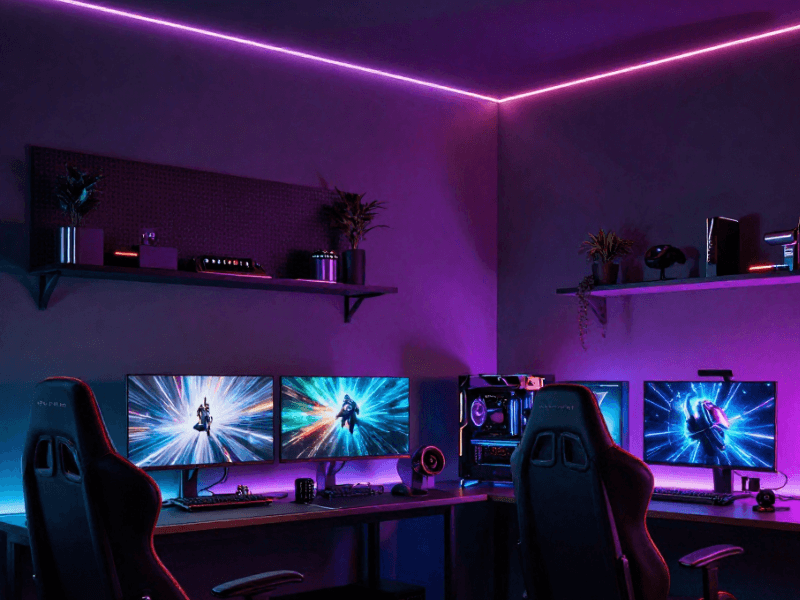
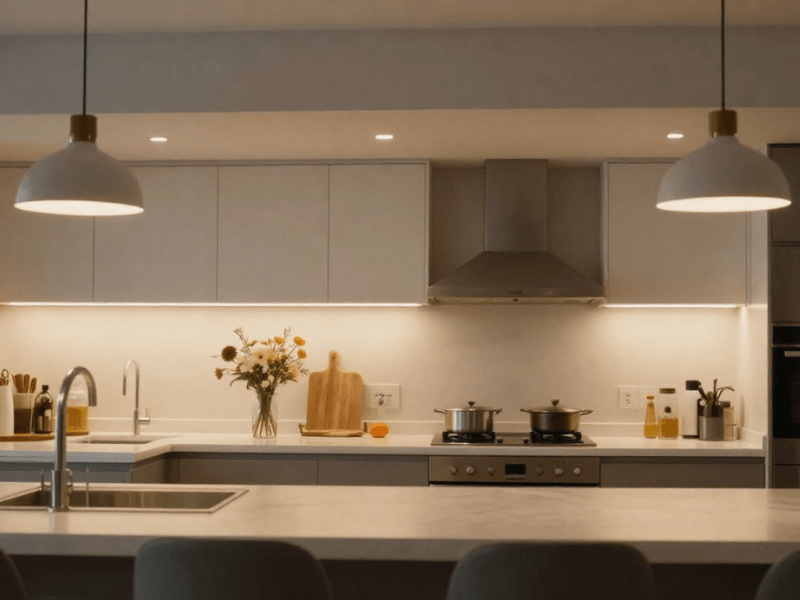
Using an LED dimmer remote control to manage your lighting is a great way of achieving the exact amount of illumination you want at any given time, you can make your lights brighter for those times when you need task lighting, like cooking or reading, and turn them down lower when you just want some ambient lighting to relax by.
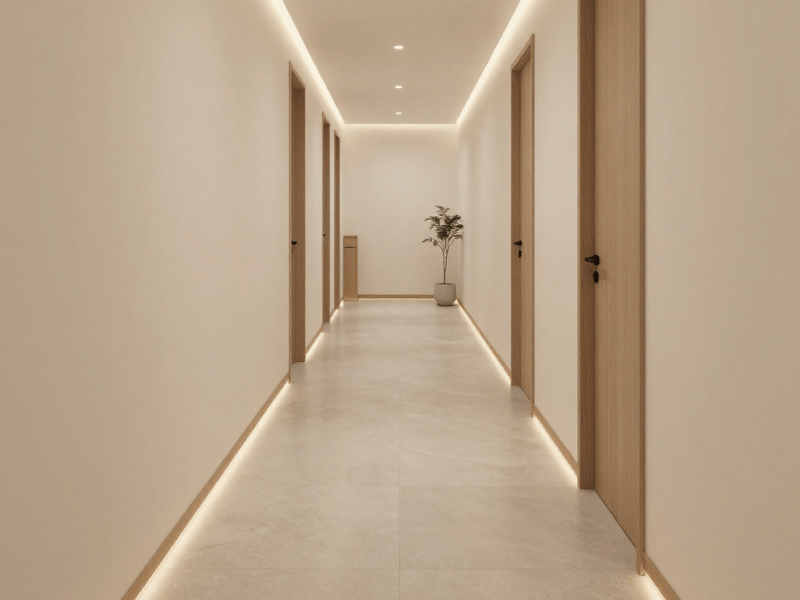
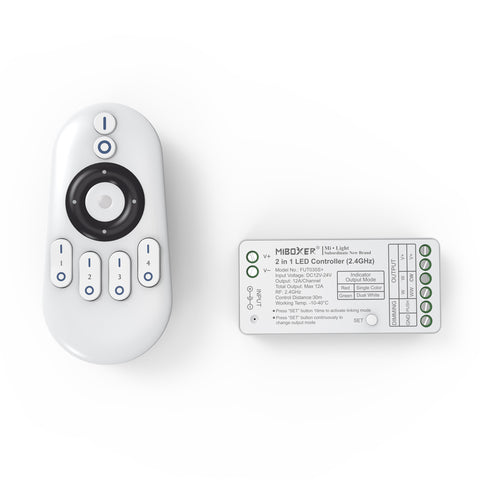
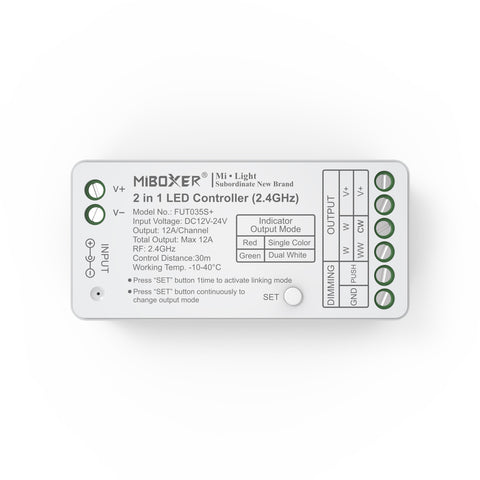
When installing products such as LED tape and LED Strip lights, you can choose a remote control dimmer switch for LED lights to manage your fixture from anywhere in the room with the press of a button, which includes functions such as:
- Switching on/off
- Dimming the brightness
At Simple Lighting, we also have a high-quality range of smart home accessories and LED dimmer remote control. When using these, you can control your lighting from a mobile phone APP or a smart speaker. Most of our under cabinet lighting can be installed in conjunction with LED dimmers.
Commonly Available LED Dimmers
Simple Lighting offers a wide selection of LED dimmer remote controls, as well as leading and trailing edge dimmers, that suit a variety of fixtures. Some LED light bulbs can work with both leading-edge and trailing-edge dimmers. However, to ensure that you’ll succeed in dimming your lights, opt for a trailing edge dimmer.
The primary reason for this is leading-edge dimmers have a high minimum wattage requirement. So, if you're only dimming the cabinet lights and kickboard lights in your kitchen using fixtures that have a low wattage count, the dimmer may not function properly.
Remember to check first the minimum wattage requirement of your dimmers and the total wattage of the lights you’ll connect to guarantee that the dimming function will work.
Also, some LED lights are not compatible with traditional wall dimmers. If you plan to use a wall dimmer, it should be LED-compatible. If you have any questions regarding this, you can give us a call, and we will be happy to help you find the best dimmer and light combo that will suit your preferences!
Do I Need a Special Dimmer Switch for LED Lights?
As mentioned before, LED lighting requires an LED-compatible dimmer. What will happen if you connect the dimmers you used before? If it’s not LED-compatible, the LED lights will not completely dim, or they will flicker. This is bad for your lights and can potentially ruin them.
You see, your existing dimmers will typically have a 50w minimum power requirement. However, LED lights, with their low wattage consumption, can not meet that minimum, confusing the dimmer. Because of this, your lights will, as mentioned, flicker or create a buzzing sound. In worst-case scenarios, your lights will overheat and get damaged.
Remote control dimmer switches for LED lights and other LED-compatible dimmers are designed to accommodate the lower power of LEDs, allowing them to function smoothly and correctly. If you have the right LED fixture and LED dimmer remote control and switch combination, you will be able to enjoy a complete dimming capacity (0% to 100% dimmed)!

Frequently Asked Questions
Do I need a special dimmer switch for LED lights?
Yes, LED lighting requires an LED-compatible dimmer to function properly. Traditional dimmers typically have a 50w minimum power requirement, but LEDs consume much less power and cannot meet this minimum, which confuses the dimmer. If you use a non-LED compatible dimmer, your lights may flicker, buzz, not dim completely, or even overheat and get damaged.
What's the difference between leading edge and trailing edge LED dimmers?
Leading edge dimmers have a high minimum wattage requirement, making them less suitable for low-wattage LED fixtures like cabinet or kickboard lights. Trailing edge dimmers are better for LEDs as they're designed to work with lower wattage loads. At Simple Lighting, we recommend trailing edge dimmers to ensure your LED lights dim properly without flickering or buzzing.
Can I control LED dimmers with my smartphone?
Yes, many modern LED dimmers offer smart home integration. Simple Lighting stocks smart LED dimmer controllers that can be controlled via mobile phone apps or smart speakers like Alexa. These smart dimmers give you the convenience of adjusting your lighting remotely and often include scheduling and automation features.
What is the dimming range for LED lights with compatible dimmers?
With the right LED fixture and LED-compatible dimmer combination, you can enjoy a complete dimming capacity from 0% to 100%. This gives you full control over your lighting levels, from bright task lighting for cooking or reading to low ambient lighting for relaxation. The key is ensuring both your LEDs and dimmer are properly matched.
Are remote control LED dimmers suitable for LED strip lights?
Yes, remote control dimmers work excellently with LED tape and LED strip lights. They allow you to manage your lighting from anywhere in the room with functions including switching on/off and adjusting brightness levels. Simple Lighting offers various LED dimmer controllers specifically designed for strip lighting applications, including 4-channel options for controlling multiple zones.
How do I know if my LED dimmer has enough capacity for my lights?
You need to check the minimum wattage requirement of your dimmer and ensure the total wattage of all connected LED lights meets this requirement. If your combined LED wattage is too low for the dimmer's minimum requirement, the dimming function won't work properly. Always verify compatibility before installation, and our team at Simple Lighting can help you find the right dimmer and light combination.
Can I use LED dimmers with under cabinet lighting?
Yes, most under cabinet lighting systems can be installed in conjunction with LED dimmers. This is particularly useful in kitchens where you might want bright task lighting for food preparation and softer ambient lighting for dining. Remote control dimmers are especially convenient for under cabinet installations as they eliminate the need for additional wall switches.
What are wireless kinetic switches and how do they work with LED dimmers?
Wireless kinetic switches are battery-free switches that generate power from the kinetic energy of pressing the switch. They communicate wirelessly with compatible LED dimmer receivers, offering flexible control without the need for additional wiring. These switches are available in one, two, or three gang options and provide a clean, modern solution for controlling your LED lighting systems.