




Smart Bulbs
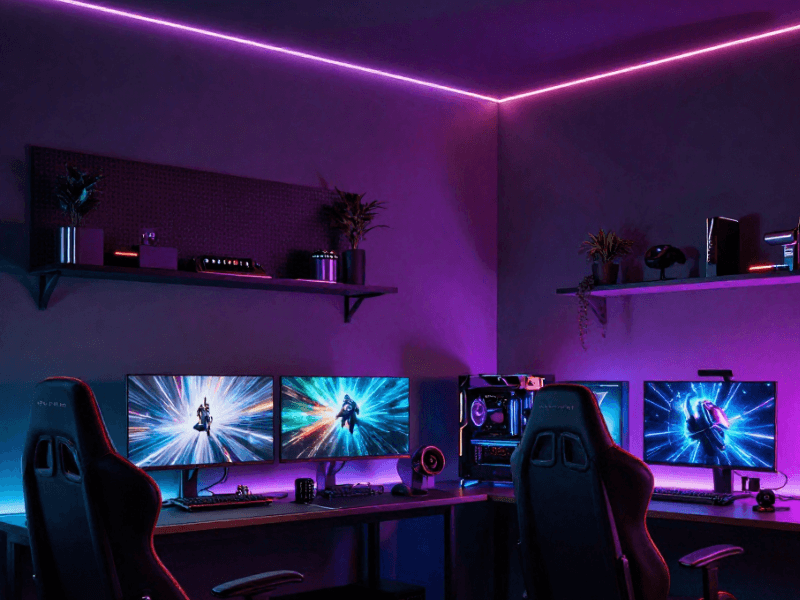
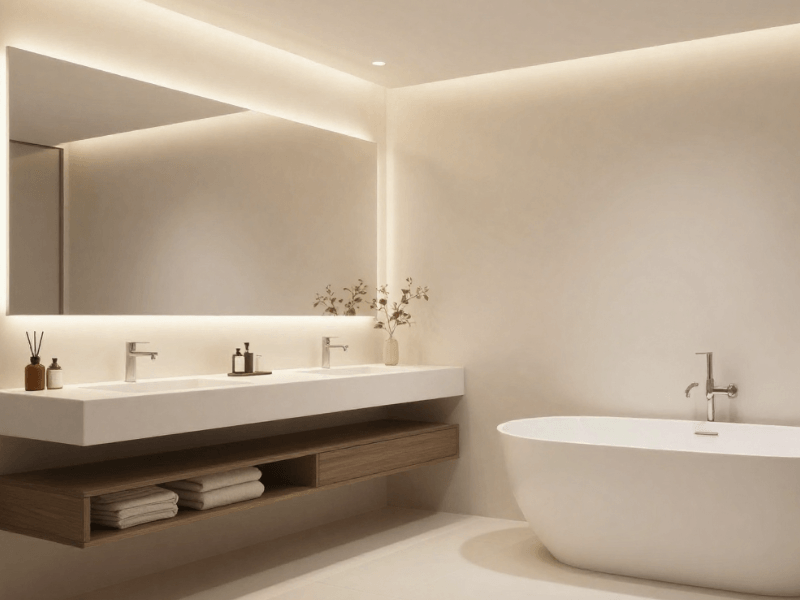
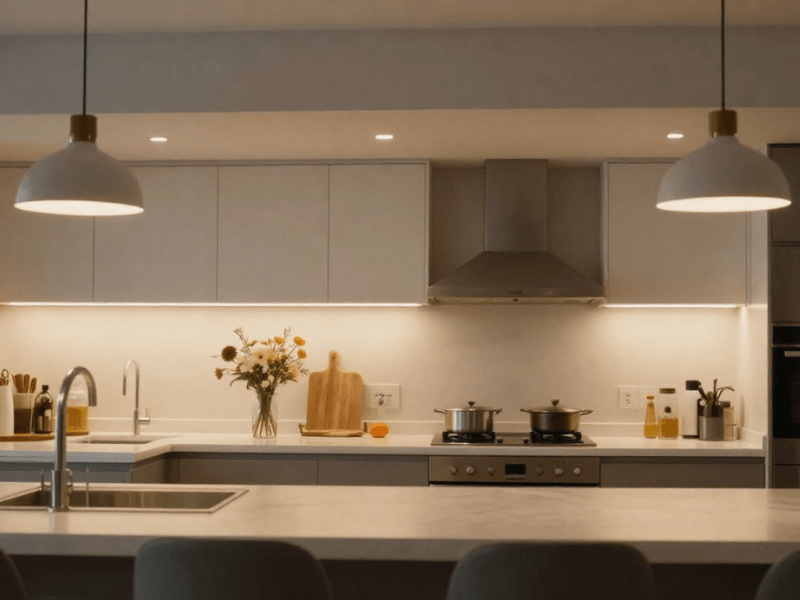
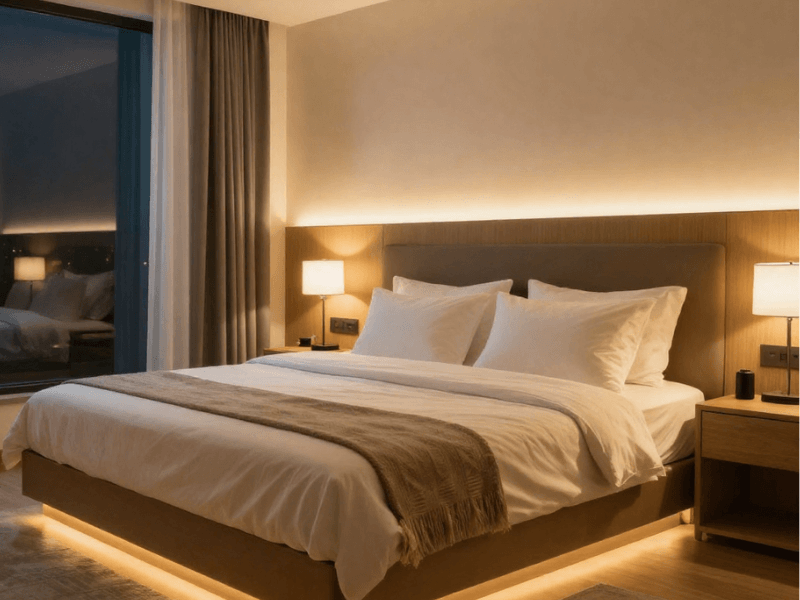
Incandescent lamps, fluorescent tubes, and standard LED bulbs are some of the most common fittings paired with pendant lights, downlights, desk lamps and more. However, did you know there's another option that can easily outshine these lamps? Introducing smart light bulbs! They are LED bulbs combined with interconnectivity, enabling you to adjust the brightness level, change the colour temperature, switch between the shades in the colour wheel, and turn on/off your lights through your smartphone or voice assistants like Alexa or Google Home.
In our diverse roster of smart LED bulbs, you'll find colour-tunable and RGB colour-adjustable varieties, as well as bulbs in different shapes, sizes, bases (GU10, E27, B22, E14), lumens output and power consumption.
Filters
Sort Featured
-
 In Stock
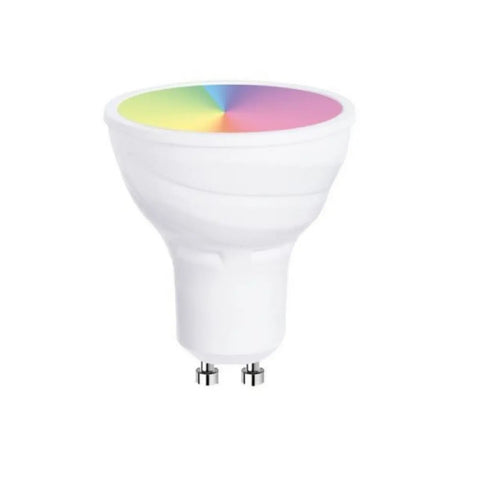
Smart GU10 LED Bulb, RGB+W , Colour Changing
£7.19 Was £10.25INC VAT -
 In Stock
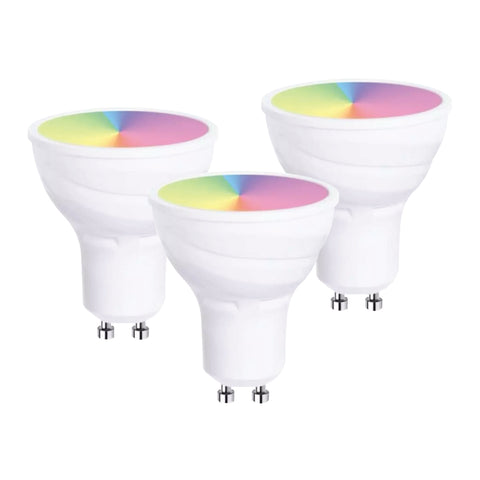
Pack of 3 Smart RGB + W GU10 Bulb, Colour Changing
£21.49 Was £30.75INC VAT -
 In Stock
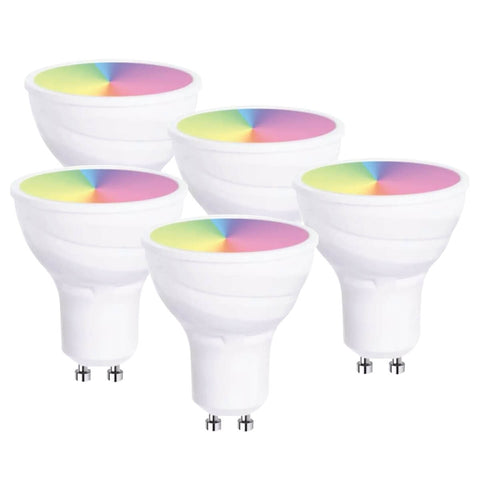
Pack of 5 GU10 Smart RGB + W Bulb
£35.85 Was £51.19INC VAT -
 In Stock
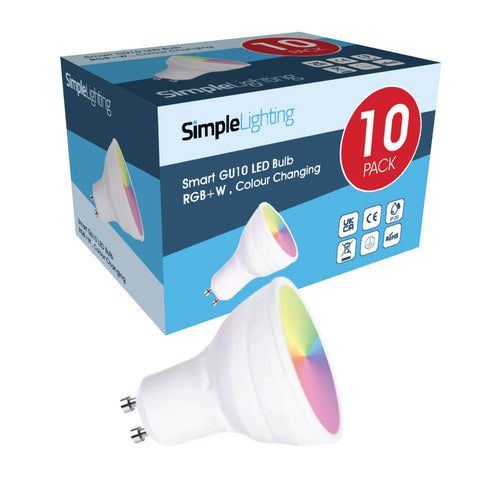
Pack of 10 Smart GU10 Colour Changing RGB + W Bulb
£71.65 Was £102.39INC VAT -
 In Stock
9W Smart WiFi Colour Changing LED Bulb
£11.29 Was £20.49INC VAT -
 In Stock
Pack of 3 Smart WiFi 9W Colour Changing LED Bulb
£33.25 Was £61.49INC VAT -
 In Stock
4.5w Smart LED Candle Bulb
£11.09 Was £20.49INC VAT -
 In Stock
Pack of 3 Smart LED 4.5w Candle Bulb
£33.45 Was £61.49INC VAT -
 In Stock
E27 Smart LED Dimmable and CCT Changing Filament Bulb
£15.99 Was £18.45INC VAT -
 In Stock
Pack of 3 CCT Changing Smart LED Dimmable Filament Bulb
£47.59 Was £55.35INC VAT -
 In Stock
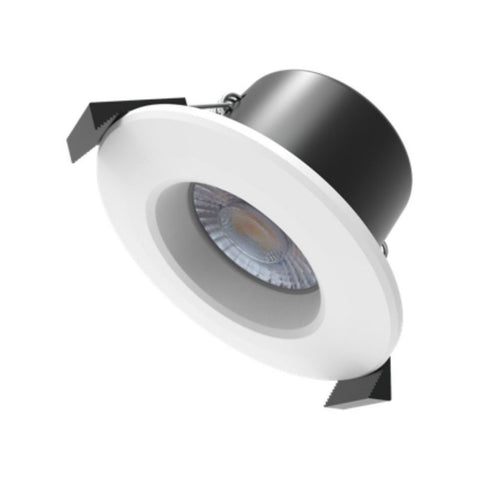
8W CCT Changeable and Dimmable, Smart Fire Rated Downlight
£28.29 Was £35.89INC VAT -
 In Stock
7.2m, Outdoor LED Festoon Light Kit, Smart Home
£98.39 Was £122.99INC VAT -
 In Stock
Smart B22 LED Bulb, A60 B22, 11w Power - TUYA, APP & Smart Speaker
£5.15 Was £6.35INC VAT -
 In Stock
3 x Smart B22 LED Bulbs, A60, 11w Power - TUYA, APP & Smart Speaker
£15.35 Was £18.39INC VAT -
 In Stock
5 x Smart LED Bulbs, B22, A60, 11w Power - TUYA, APP & Smart Speaker
£25.59 Was £30.69INC VAT -
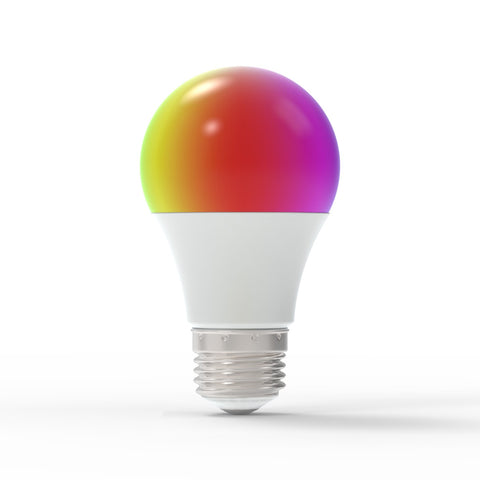 In Stock
Smart LED Bulb, A60 E27 Screw, 11w Power - APP & Smart Speaker
£5.15 Was £6.35INC VAT -
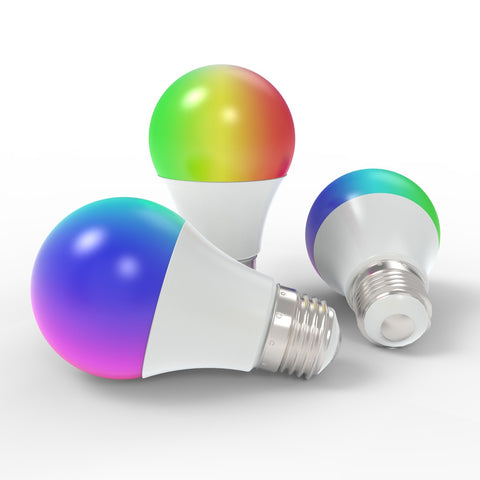 In Stock
3 x Smart LED Bulbs, A60 E27, 11w Power - APP & Smart Speaker
£15.35 Was £18.39INC VAT -
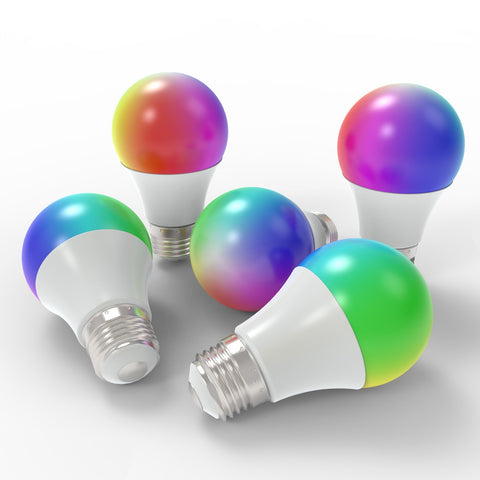 In Stock
5 x Smart LED Bulbs, E27 Screw, 11w Power - APP & Smart Speaker
£25.59 Was £30.69INC VAT


Frequently Asked Questions
What is the difference between smart bulbs and regular LED bulbs?
Smart bulbs are LED bulbs with built-in wireless connectivity that allow you to control them remotely via smartphone apps or voice assistants like Alexa and Google Home. Unlike regular LED bulbs that simply turn on and off with a wall switch, smart bulbs let you adjust brightness, change colour temperature, and even switch between millions of colours in RGB models.
Do smart bulbs work with existing light fittings?
Yes, smart bulbs are designed to work with standard light fittings and use the same bases as regular bulbs, including GU10, E27, B22, and E14. You simply replace your existing bulb with a smart bulb in the same fitting. At Simple Lighting, we stock smart bulbs in all the most common base types to suit pendant lights, downlights, desk lamps, and more.
Do smart bulbs need a hub to work?
Most modern smart bulbs, including those in our range, connect directly to your home WiFi network and don't require a separate hub. This makes installation much simpler as you just need to download the manufacturer's app and follow the setup instructions. Some bulbs also support Bluetooth connectivity for direct connection to your smartphone.
Can you use smart bulbs with dimmer switches?
Smart bulbs should generally not be used with traditional dimmer switches as this can damage the bulb's internal electronics. Smart bulbs have their own built-in dimming capabilities that you control through the app or voice commands. If you have existing dimmer switches, you'll need to replace them with standard switches or leave them at full power.
How much energy do smart bulbs use compared to traditional bulbs?
Smart bulbs are LED-based, so they use approximately 80-90% less energy than traditional incandescent bulbs and around 50% less than fluorescent bulbs. A typical smart LED bulb uses between 4.5W to 9W while producing the same light output as a 40W to 60W incandescent bulb. They also have excellent lifespans of around 25,000 hours or more.
What's the difference between RGB and colour tunable smart bulbs?
RGB smart bulbs can display millions of colours across the full colour spectrum, perfect for mood lighting and decorative effects. Colour tunable bulbs (also called CCT bulbs) focus on different shades of white light, from cool daylight white to warm white, which is ideal for everyday lighting that matches natural light patterns throughout the day.
Can smart bulbs be controlled when you're away from home?
Yes, as long as your smart bulbs are connected to your home WiFi network, you can control them from anywhere using your smartphone app. This means you can turn lights on or off, adjust brightness, or change colours whether you're at work, on holiday, or simply forgot to switch them off when leaving home.
Are smart bulbs compatible with Alexa and Google Home?
Most smart bulbs, including those in our collection, are compatible with popular voice assistants like Amazon Alexa and Google Home. Once connected, you can control your lights with simple voice commands such as 'Alexa, dim the living room lights' or 'Hey Google, turn the bedroom lights blue'. Check the product specifications to confirm compatibility with your preferred voice assistant.