




Emergency Lights
Emergency lighting is a legal requirement in every commercial and public building in the UK. If the mains power goes down, your emergency lights need to come on and stay on long enough for everyone to get out. Get it wrong and you're looking at fines, or worse, putting people at risk.
Our range covers everything from emergency exit signs and bulkhead lights to twin spot units and LED battens with emergency backup. All our emergency lights are tested to BS 5266 and built for the kind of reliability you need from safety-critical fittings.
Filters
Sort Featured
-
 Sold Out
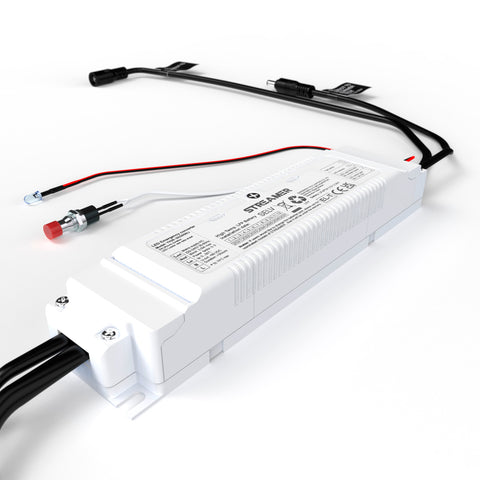
Emergency Pack for All LED Panel Lights (Self Testing)
£35.85 Was £38.75INC VAT -
 Sold Out
30w LED Bulkhead Light Fitting, Emergency Function
£134.49 Was £143.63INC VAT -
 In Stock
22w Wilson LED Bulkhead, With Emergency & Microwave Sensor
£150.69INC VAT -
 In Stock
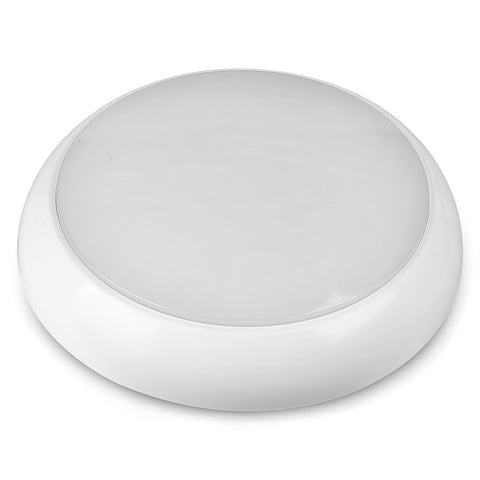
18w LED Polo Twist & Lock Bulkhead / Dome Light With 3hr Emergency Module
£24.99 Was £32.99INC VAT -
 In Stock
13w LED Polo, Bulkhead Fitting - Emergency With Sensor
£90.89 Was £102.49INC VAT -
 In Stock
13w LED Bulkhead, Emergency, Corridor Function & Microwave Sensor
£102.49 Was £133.25INC VAT -
 In Stock
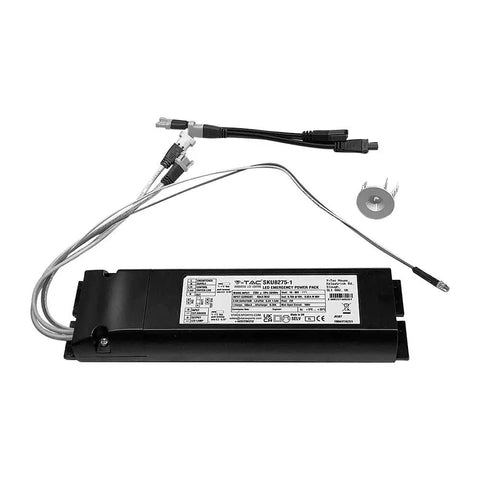
24w LED Emergency Kit
£47.15 Was £57.79INC VAT -
 In Stock
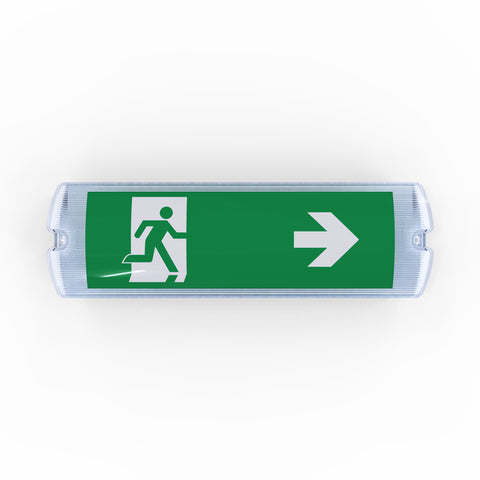
3w LED Emergency Bulkhead Light, Maintained/Non-Maintained
£13.35 Was £25.65INC VAT -
 In Stock
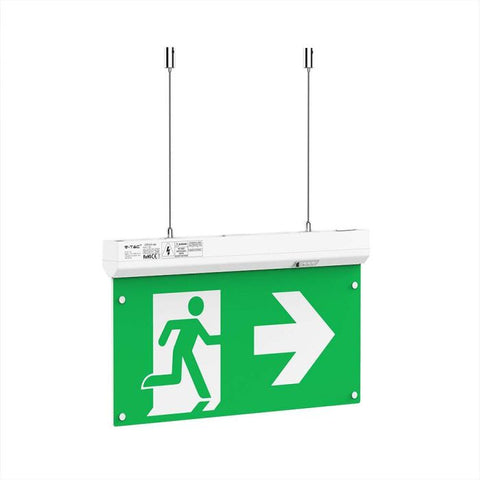
4in1, LED Emergency Exit Light, Self Test
£29.75 Was £37.95INC VAT -
 In Stock
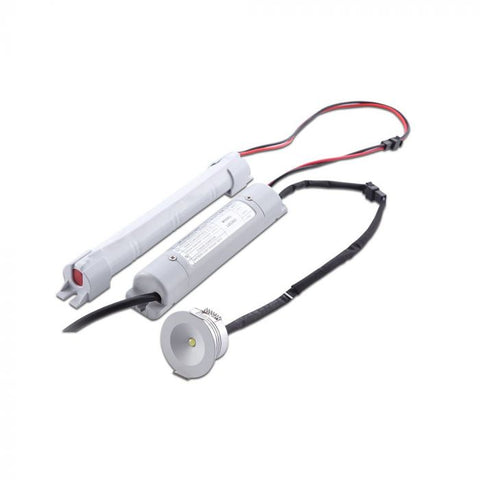
3w Small LED Emergency Downlight
£22.55 Was £28.69INC VAT -
 In Stock
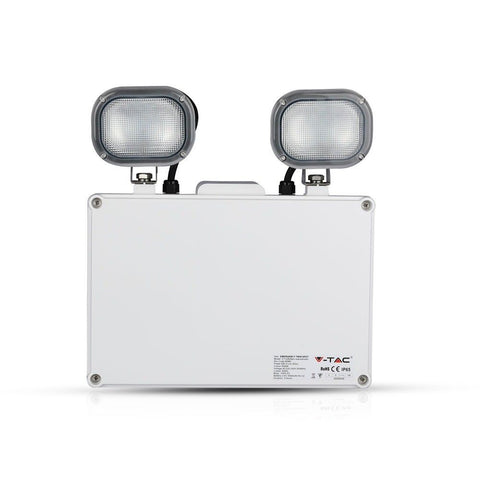
6W LED Emergency Twin Spot IP65 - Non Maintained
£46.75 Was £54.35INC VAT -
 In Stock
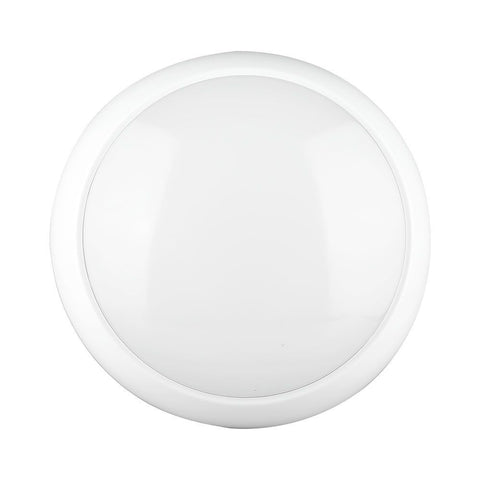
LED Dome Light with Sensor & Emergency – CCT & Wattage Adjustable – IP65 Polo Bulkhead
£44.09 Was £49.19INC VAT -
 In Stock
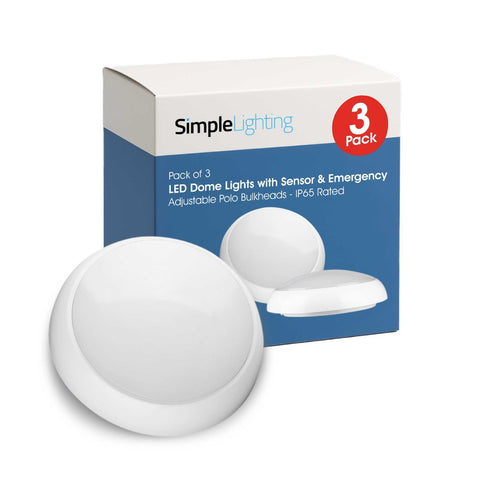
Pack of 3 LED Dome Lights with Sensor & Emergency – Adjustable Polo Bulkheads – IP65 Rated
£132.19 Was £147.59INC VAT -
 In Stock
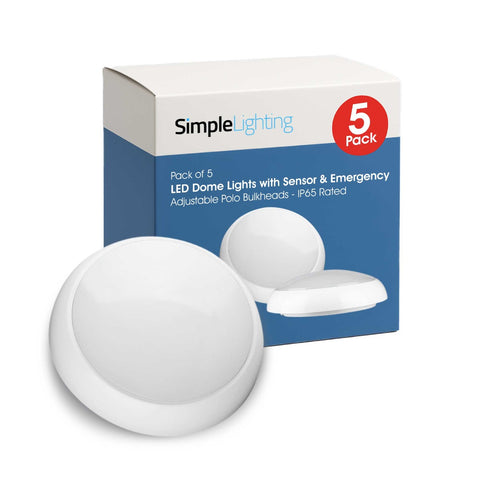
Pack of 5 LED Dome Lights with Sensor & Emergency – Adjustable Polo Bulkheads – IP65 Rated
£220.35 Was £245.95INC VAT -
 In Stock
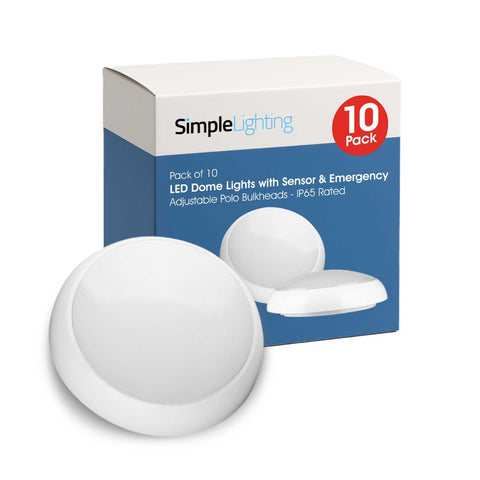
Pack of 10 LED Dome Lights with Sensor & Emergency – Adjustable IP65 Polo Bulkheads
£440.65 Was £491.89INC VAT -
 In Stock
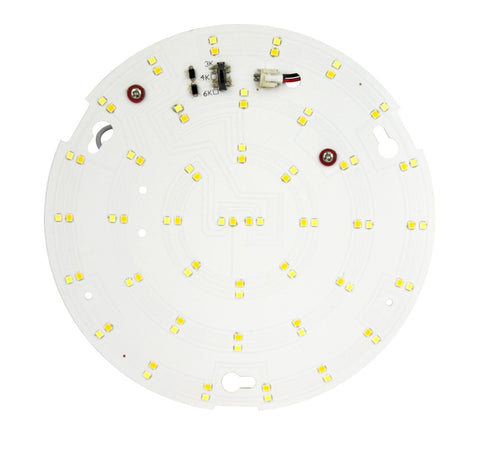
9.5W LED Bulkhead Gear Tray – Colour Switchable & Emergency Backup
£27.25 Was £33.85INC VAT -
 In Stock
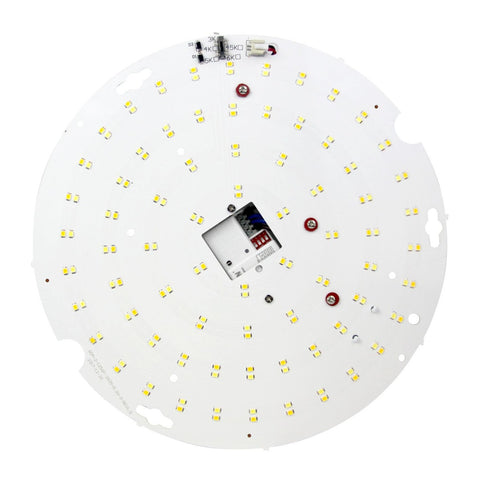
LED Bulkhead Gear Tray with Emergency Feature, Colour Switched - 17.5W
£31.05 Was £40.95INC VAT -
 In Stock
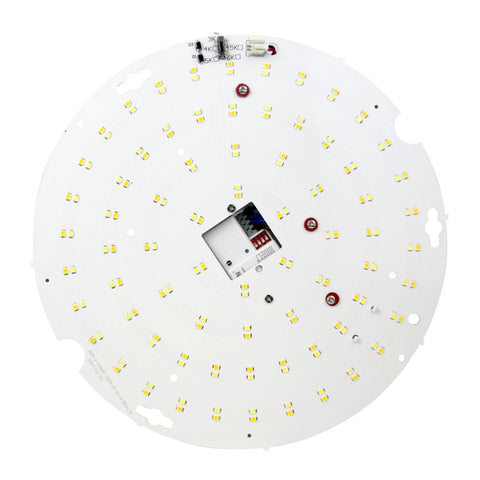
17.5w LED Bulkhead Gear Tray with Sensor, Dimmable, and Emergency
£43.99 Was £51.19INC VAT


Frequently Asked Questions
Are emergency lights a legal requirement in the UK?
Yes, emergency lighting is a legal requirement in every commercial and public building in the UK. This includes offices, shops, schools, hospitals, and any building where people work or visit. The regulations are there to ensure everyone can safely evacuate during a power failure, and failing to comply can result in fines or putting people at serious risk.
What's the difference between maintained and non-maintained emergency lights?
Maintained emergency lights stay on all the time and continue working during a power cut, while non-maintained lights only come on when the mains power fails. Maintained lights are typically used for exit signs that need to be visible constantly, whereas non-maintained lights are often used for general emergency illumination in areas that are normally well-lit.
How long do emergency lights need to stay on during a power cut?
Emergency lights must provide illumination for a minimum of 3 hours after mains power failure, as specified in BS 5266. This gives people enough time to safely evacuate the building and allows emergency services to respond if needed. All our emergency lights at Simple Lighting are designed to meet this 3-hour requirement.
What does BS 5266 mean for emergency lighting?
BS 5266 is the British Standard that sets out the requirements for emergency lighting systems in the UK. It covers everything from light levels and duration to positioning and testing procedures. All emergency lights must be tested to this standard to ensure they'll work properly when needed, and our entire range meets these strict safety requirements.
Where should emergency lights be positioned in a building?
Emergency lights should be placed at every exit, along escape routes, at changes of direction, near stairs, and at every change of floor level. Exit signs must be visible from any point along the escape route, typically positioned above doors and at corridor junctions. Emergency bulkheads provide general illumination in corridors, stairwells, and open areas where people might need to navigate during an evacuation.
Can I use LED emergency lights outdoors?
Yes, many LED emergency lights are suitable for outdoor use, particularly those with IP65 ratings that can handle damp and dusty conditions. Our emergency bulkheads are designed to withstand weather exposure, making them perfect for external walkways, car parks, and covered outdoor areas. Always check the IP rating to ensure the fitting is suitable for your specific location.
How do I test emergency lighting systems?
Emergency lights should be tested monthly by pressing the test button to simulate a power failure, and annually with a full 3-hour duration test. Many of our modern emergency lights feature self-testing functions that automatically run these checks and indicate any faults. It's important to keep records of all tests as this may be required for insurance and compliance purposes.
What's the advantage of twin spot emergency lights over single fittings?
Twin spot emergency lights have two adjustable heads that can be pointed in different directions, making them ideal for covering larger areas or wide corridors where a single light source wouldn't provide adequate coverage. They're particularly useful in warehouses, factories, and open-plan spaces where you need to illuminate multiple escape routes or areas from one central mounting point.